🎯 Want to read the essential Israel–Palestine bookshelf with AI-guided context?
Load the Core Conflict Shelf in Readever — let Readever’s AI walk you through annotations, timelines, and debate prompts while you read.
A week of headlines can collapse decades of history into a single push notification. As of October 23, 2025, the discourse around Israel and Palestine is a war of narratives just as intense as the fighting on the ground. The only way to read “right now” with clarity is to triangulate: pair macro-histories with archival revisionism, add ground-level memoirs, then audit security doctrines and policy flashpoints.
Below is a curated pathway that synthesizes everything the latest research dump surfaced—from the foundational clashes between Benny Morris and Rashid Khalidi to Nathan Thrall’s Pulitzer-winning anatomy of a Jerusalem tragedy. Follow the pathway or mix sections to match your goals; the key is to keep switching vantage points.
Need a refresher on the mechanics of critical reading before you dive in? Read our How to Read Critically in 2025 playbook to set up your questioning, annotation, and synthesis workflow inside Readever.
Start with Competing Histories
Liberal Zionist Archive: Righteous Victims
Benny Morris’s Righteous Victims still anchors the Israeli national narrative. Expect an event-rich timeline from 1881 to the Second Intifada, grounded in newly opened archives that puncture older myths yet insist on Israel’s existential calculus. Pair it with meticulous notes—our How to Read Critically playbook helps flag where Morris’s post-2000 shift shades interpretation.
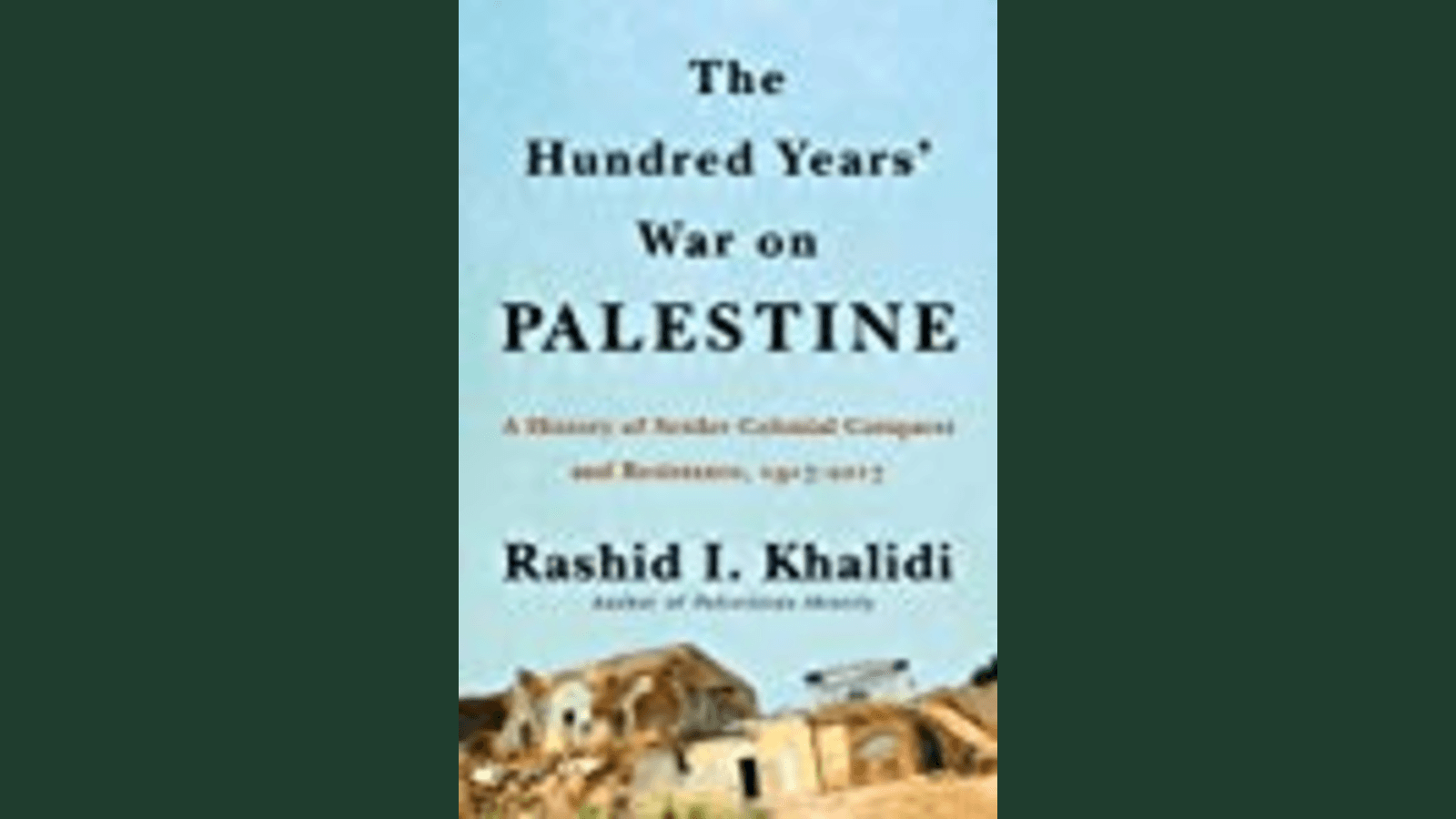
Palestinian Settler-Colonial Lens: The Hundred Years’ War on Palestine
Rashid Khalidi’s The Hundred Years’ War on Palestine reframes 1917–2017 as a six-stage settler-colonial campaign backed by imperial powers. His family archives, from Ottoman petitions to Madrid peace notes, make the argument visceral. Use Readever’s timeline annotations to juxtapose Khalidi’s “declarations of war” with Morris’s key battles.
The Attempt at Balance: Enemies and Neighbours
Ian Black’s Enemies and Neighbours is your control experiment. His Guardian-honed reportage keeps power asymmetries visible while cataloguing everyday life. If you crave a 100-year overview before diving into theory, start here.
Read the Revisionists Who Shifted the Debate
Archives as Ammunition: The Ethnic Cleansing of Palestine
Ilan Pappe’s The Ethnic Cleansing of Palestine pushes the New Historian argument furthest, framing Plan Dalet as orchestrated ethnic cleansing. Whether you embrace or contest that charge, it underpins today’s legal discourse (including BDS language). Tag key passages in Readever to compare with Morris’s more ambivalent archival reading.
Ground Yourself in Lived Experience
One House, Two Histories: The Lemon Tree
Sandy Tolan’s The Lemon Tree humanises macro-politics via one Palestinian family’s home in Ramla. Add voice notes in Readever whenever you spot how policy (e.g., 1967 occupation) filters down to personal memory.
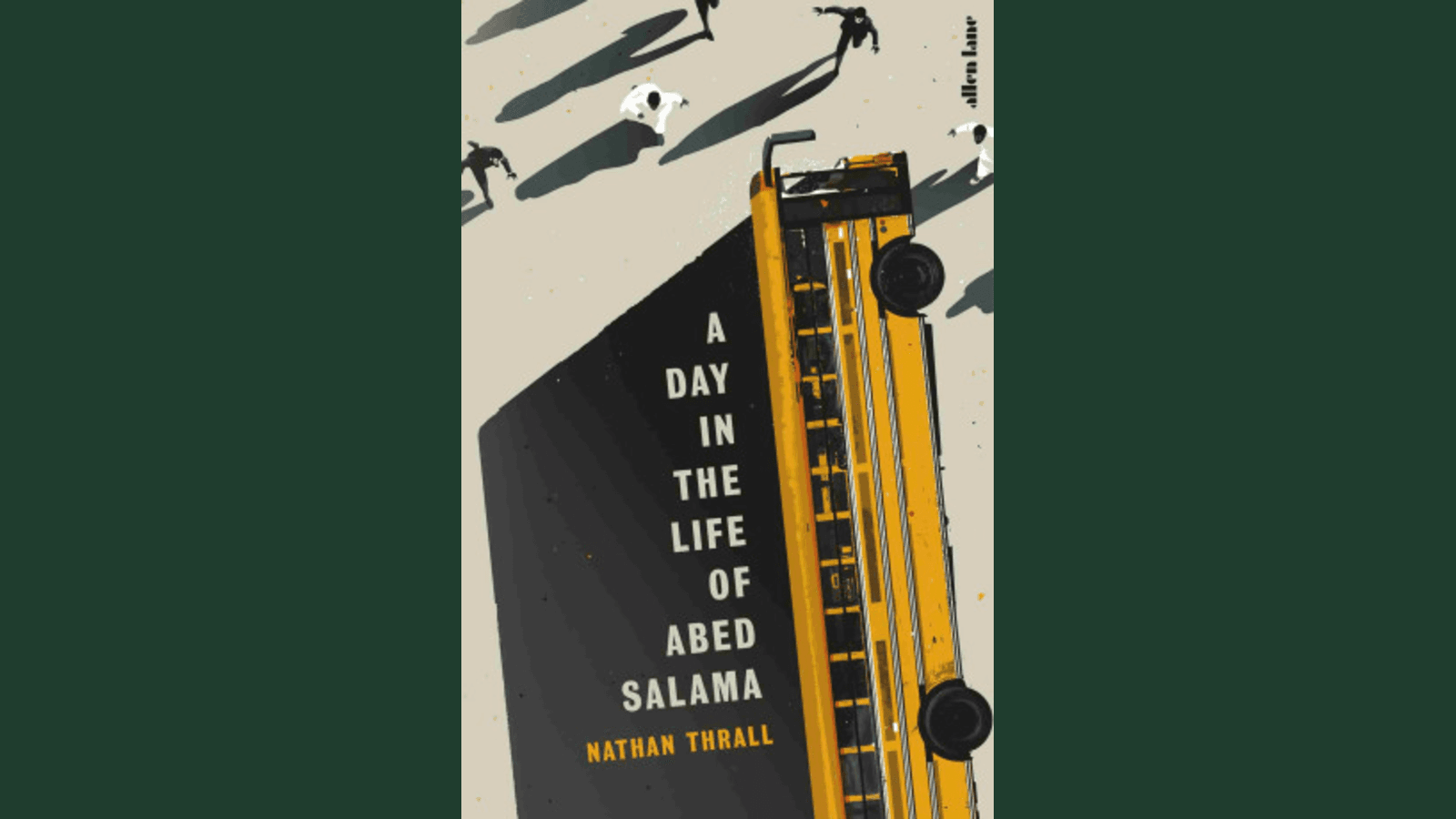
Anatomy of Occupation: A Day in the Life of Abed Salama
Nathan Thrall’s Pulitzer-winning A Day in the Life of Abed Salama turns a 2012 school-bus crash into a systems map of checkpoints, segregated roads, and bureaucratic triage. Let Readever’s AI highlight every structural barrier Abed hits—you’ll never read “occupation” as an abstraction again.
📌 Want AI briefings on settlements, security doctrine, and legal debates while you read?
Launch the Policy Groundwork mini-shelf — Readever adds security doctrines, settlement maps, and Oslo timelines right into your margins.
Audit Israeli Security and Internal Debate
Liberal Zionist Reckoning: My Promised Land
Ari Shavit’s My Promised Land pairs Zionist triumph with the “dark secret” of Lydda. Use contrasting highlights to note where Shavit’s confession becomes justification.
Targeted Killings Playbook: Rise and Kill First
Ronen Bergman’s Rise and Kill First is the unofficial manual for Israel’s pre-emptive doctrine—poisoned toothpaste to drone strikes. Readever’s map overlays show where each operation unfolded.
Zero In on 2025 Flashpoints
- Settlements: Idith Zertal and Akiva Eldar’s Lords of the Land charts how fringe messianic outposts became mainstream power brokers.
- Oslo’s Autopsy: The Oslo Accords 1993–2013: A Critical Assessment dissects implementation gap by gap—track compliance notes directly in the reader.
- Jerusalem’s Magnetism: Simon Sebag Montefiore’s Jerusalem: The Biography sweeps across 3,000 years, clarifying why every neighborhood tussle still sparks global tension.
Fiction and Visual Storytelling to Feel the Stakes
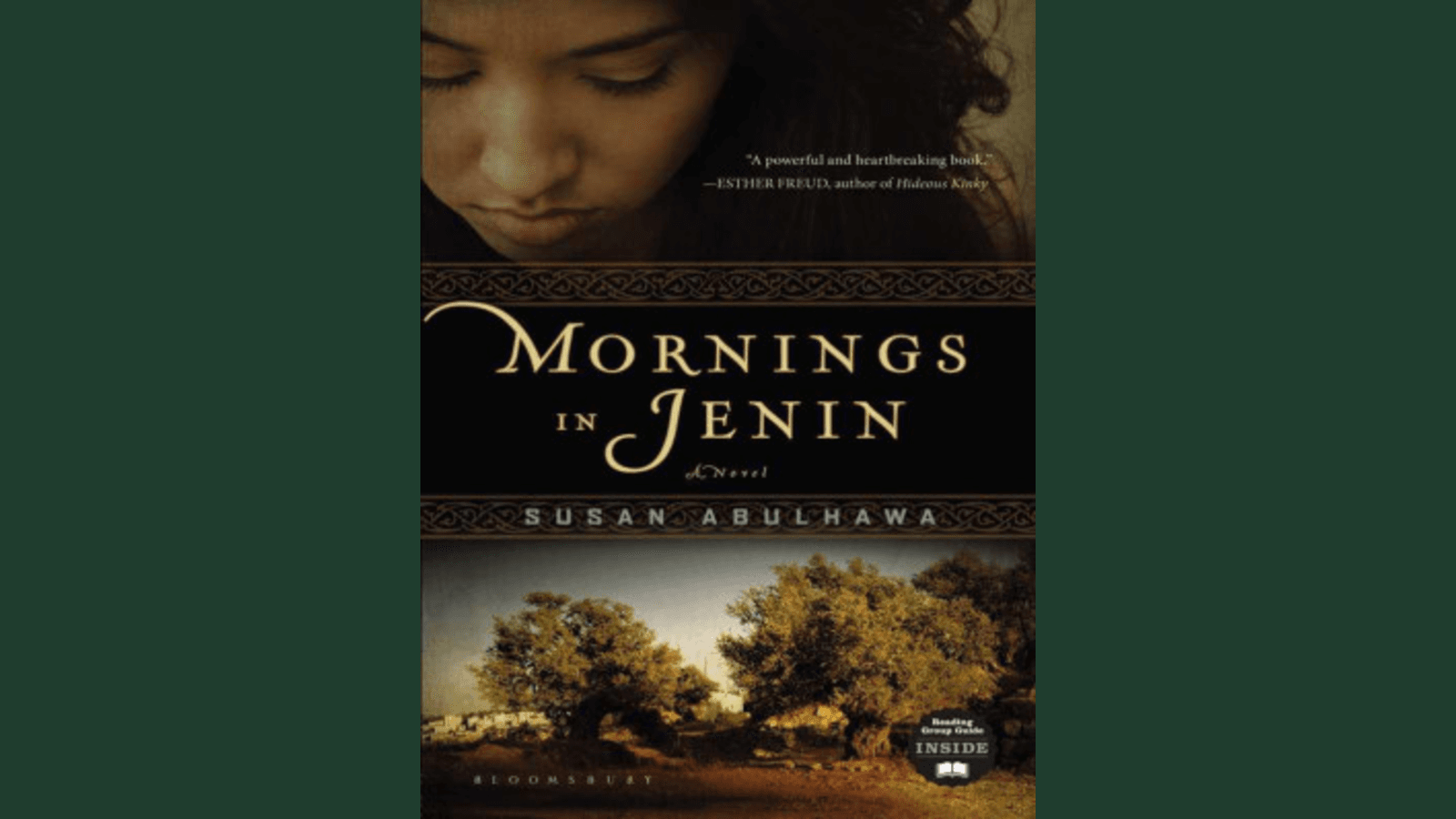
- Mornings in Jenin by Susan Abulhawa—four generations of dispossession from Ein Hod to Beirut and Jenin.
- Joe Sacco’s comics (Palestine, Footnotes in Gaza) translate occupation into panels crowded with checkpoints, demolished homes, and survivor testimony (add them when available in the catalog).
- Ghassan Kanafani’s novellas and Mohammed El-Kurd’s poetry keep the diasporic voice current.
Build Your Reading Sprint
- Pair perspectives: Read Morris or Black alongside Khalidi to keep cause-and-effect honest.
- Annotate tensions: Flag where authors rationalize violence; Readever’s comparison view lets you line up opposing excerpts.
- Shift scale weekly: Alternate between macro (policy/histories) and micro (memoirs/fiction) to avoid compassion fatigue.
- Collect critical questions: Use AI prompts to log unresolved debates for book club or partner reading (then slide over to our guide on Reading with a Partner).
🌱 Ready for memoirs and fiction that centre Palestinian voice?
Open the Immersive Narratives bundle — you’ll get storytelling briefs, glossary pop-ups, and reflective journal prompts inside the reader.
FAQ
What’s the single best starting point if I have one weekend?
Begin with Ian Black’s Enemies and Neighbours on Saturday, then read Nathan Thrall’s A Day in the Life of Abed Salama on Sunday. One gives the 100-year frame; the other shows how those decisions shape a single family’s grief.
How do I stay balanced without false equivalence?
Always pair at least one Palestinian-authored work (Khalidi, Barghouti, Abulhawa) with one Israeli-authored work (Morris, Shavit, Bergman). Note power asymmetries explicitly in your annotations so “balance” doesn’t erase context.
Which books explain 2025’s headlines about settlements and Gaza?
Read Lords of the Land for the settlement movement’s rise, then jump to Bergman’s Rise and Kill First to understand the security doctrine driving current operations. Complement them with Thrall’s micro-level reporting to see how policy lands on the ground.
How can I integrate fiction without derailing my research focus?
Schedule fiction or poetry as cooldown reads after heavy policy chapters. In Readever, use the same highlight tags (“memory,” “occupation,” “resistance”) so insights from fiction stay searchable alongside non-fiction notes.
What should I read if I’m preparing for a policy debate or Model UN resolution?
Combine The Oslo Accords: A Critical Assessment for legal scaffolding, Khalidi for historical grievances, and Bergman for security rationale. Use Readever’s export tool to pull tagged quotes into briefing documents.
Line up these shelves, let AI surface the tensions, and keep cross-checking every narrative you absorb. Understanding this conflict in 2025 isn’t about picking a side—it’s about training your attention to hold multitudes while you read.