🎯 Want a curated Dostoevsky starter shelf with AI guidance?
Read Dostoevsky for FREE at readever.app – Unlock White Nights, Notes from Underground, Crime and Punishment, and more with Readever’s proactive annotations, background briefings, and memory that keeps your insights across the entire journey.
Why Dostoevsky Matters in 2025
To mention Fyodor Dostoevsky today is to invoke viral BookTok clips, Discord reading salons, and readers who crave fiction that stares into the abyss without flinching. If you’re asking where to start with Dostoevsky in 2025, the answer depends on matching his novels to your temperament and getting the right coaching along the way. His stories may be 19th-century in origin, but their obsessive focus on alienation, moral vertigo, and the search for meaning mirrors every headline in 2025. Readever’s AI reader keeps pace with that intensity: the app maps your goals before page one, then layers in historical briefings, thematic breadcrumbs, and memory-driven follow ups so the philosophical punch never feels abstract.
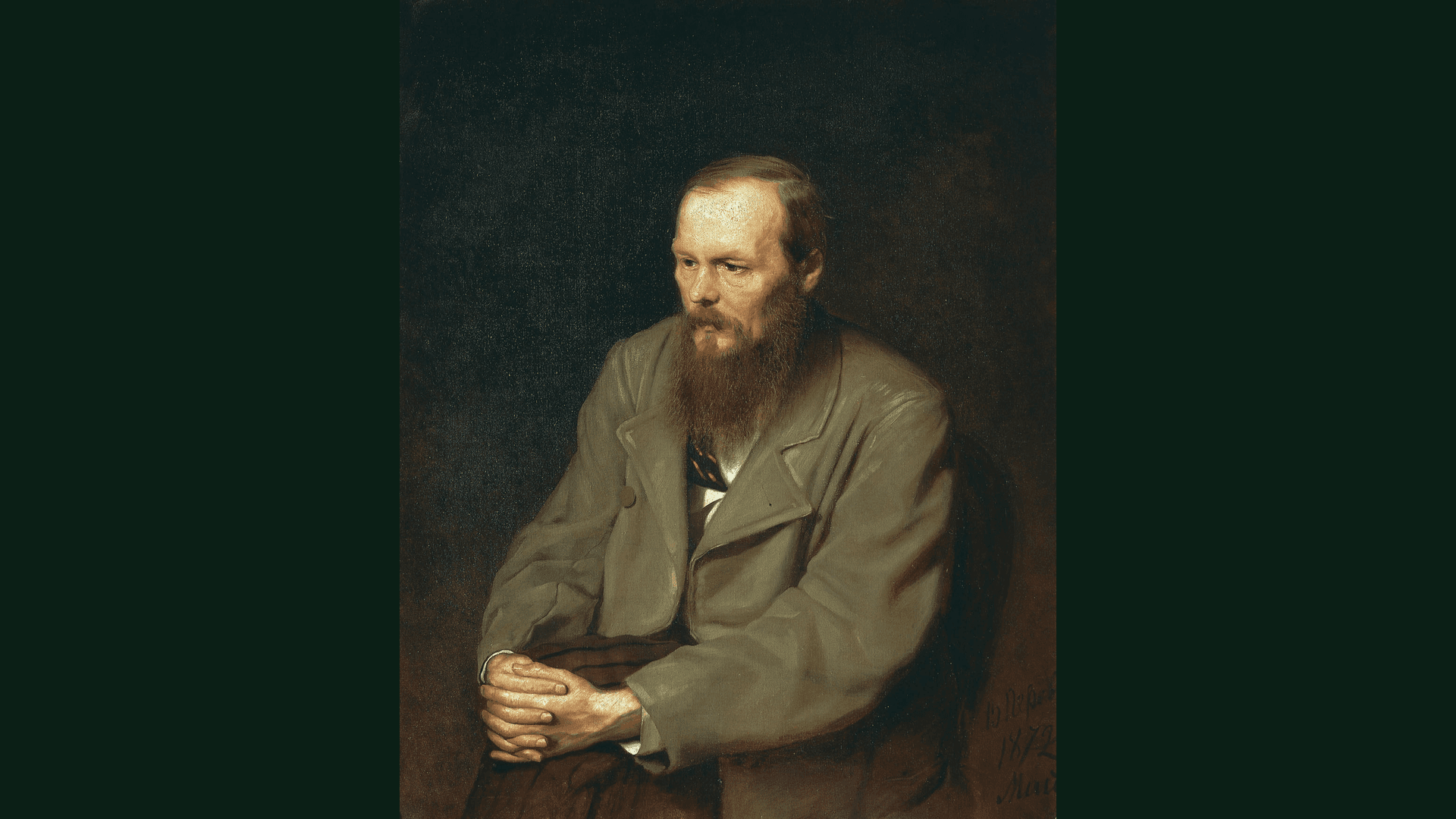
Choose Your Entry Point: Three Paths into Dostoevsky
The perennial question “Where should I start?” has no single answer. Instead, match the first book to your temperament—gentle romanticism, philosophical combat, or full-throttle psychological drama.
Path 1: The Gentle Introduction (for the cautious reader)
Start with White Nights if you want a low-commitment dose of Dostoevsky’s heart. This luminous novella follows a lonely dreamer who finally meets a kindred spirit during St. Petersburg’s twilight summer. At under 100 pages, it introduces the emotional stakes—yearning, solitude, the sting of unrequited love—without the density of a 700-page epic. Use Readever’s scene-by-scene comments to track how the narrator’s fantasies collide with reality and to unpack the symbolism of the city’s “white night” glow.

Path 2: The Philosophical Overture (for the intellectually adventurous)
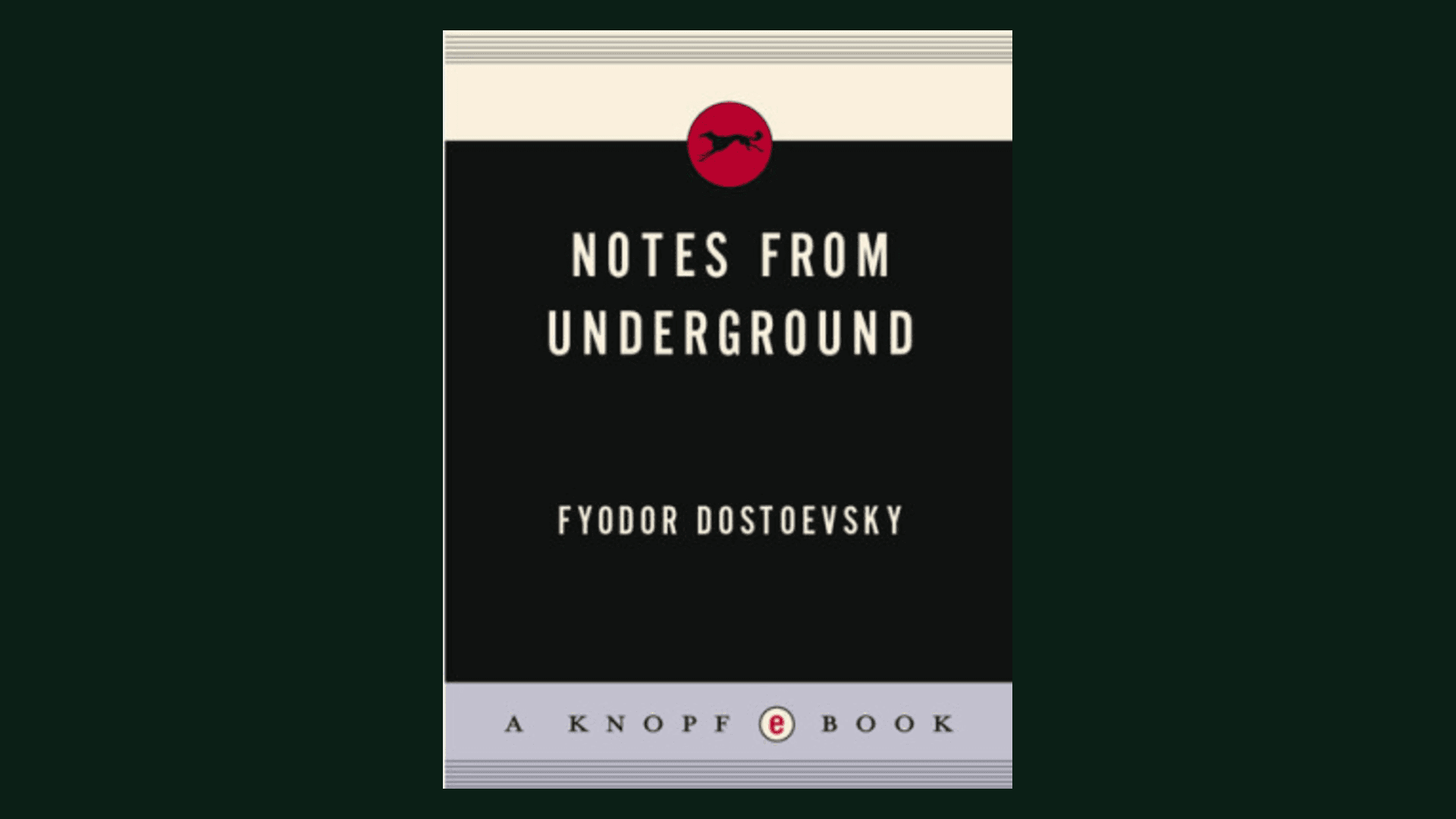
Choose Notes from Underground if you relish debate-ready prose. The Underground Man weaponizes spite against every utopian promise of the 1860s, laying bare the paradox of radical free will: we crave autonomy so much we will sabotage our own happiness to preserve it. Readever keeps you anchored with pop-up glossaries for philosophical terms, quick biographies of the radicals he skewers, and reflective prompts that push you to test his arguments against modern life.
Path 3: The Definitive Experience (for the committed reader)
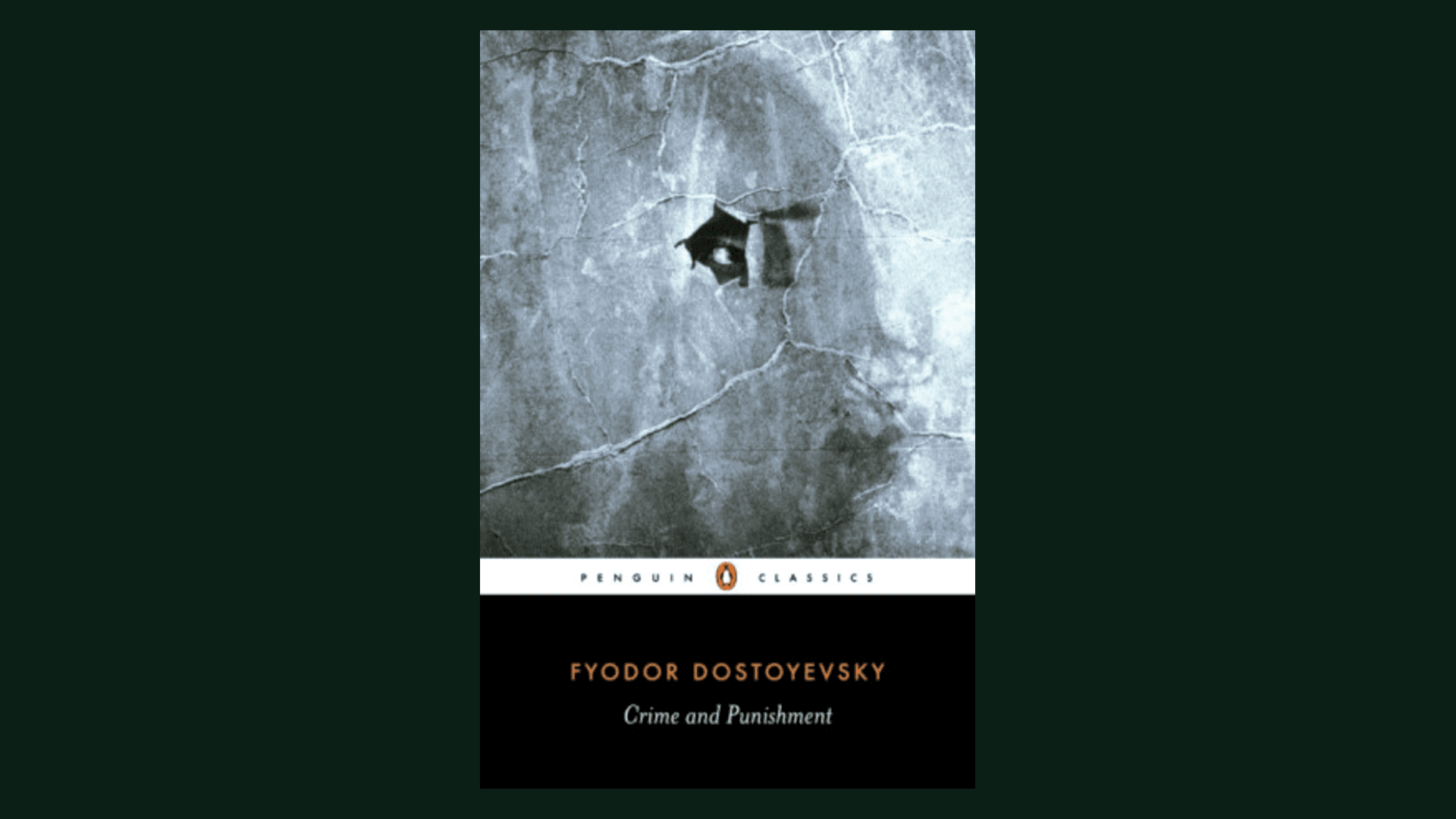
Dive into Crime and Punishment when you’re ready for the full Dostoevsky roller coaster. Raskolnikov’s “extraordinary man” theory collides with conscience in a breathless detective story that doubles as a theological argument. Readever’s timeline feature keeps every interrogation straight, while AI annotations surface echoes of the same moral questions in contemporary debates about utilitarian tech, social inequality, and punishment.
✨ Ready to keep going after your first novel?
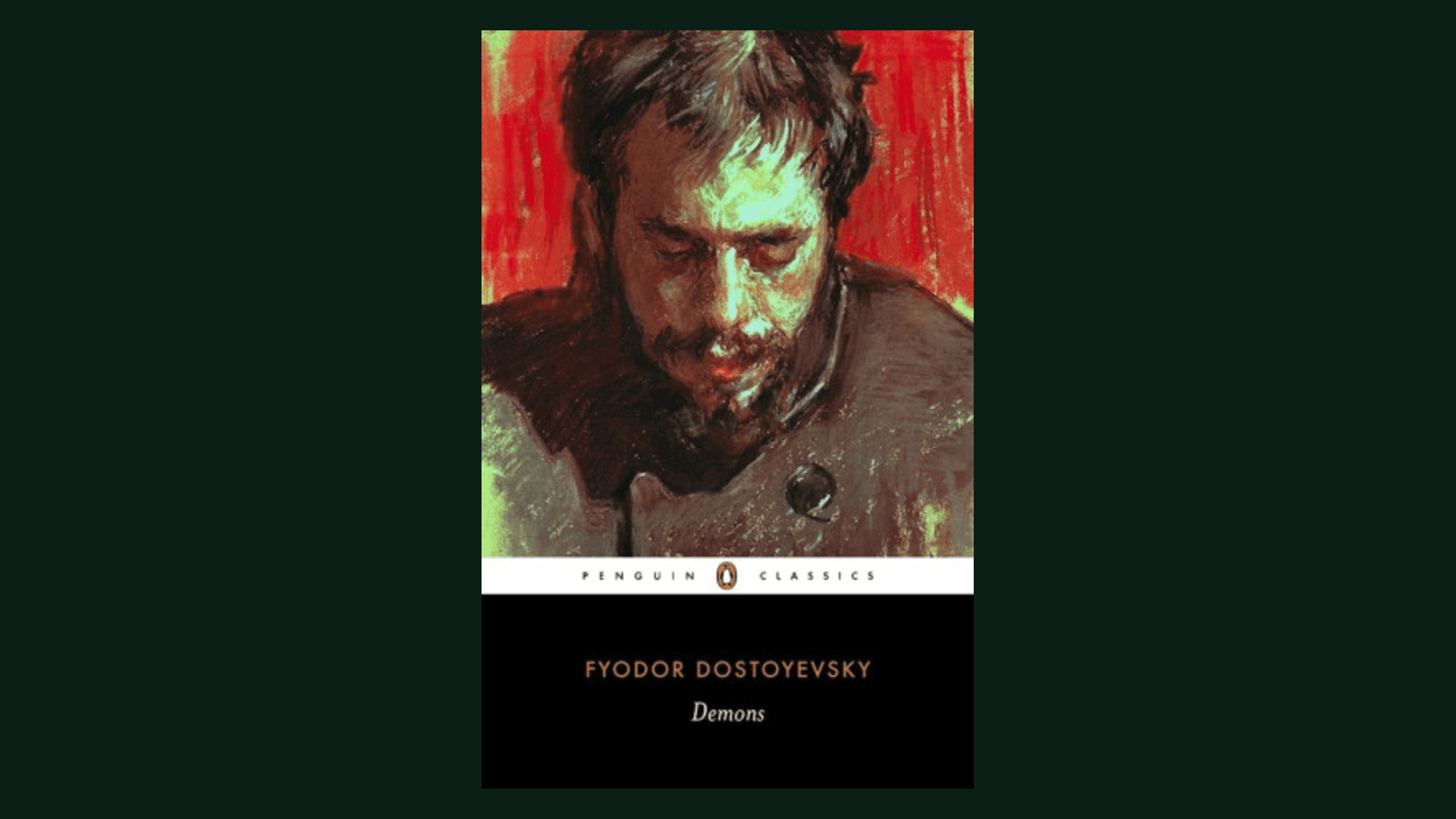
Unlock Dostoevsky’s major works with Readever – Seamlessly move from The Brothers Karamazov to The Idiot, Demons, and The House of the Dead with synced highlights, personal memory, and automated context recaps.
Your Dostoevsky Toolkit: Read with Confidence
Once you pick a starting point, arm yourself with the practical tools that turn complexity into delight.
Decode Russian Naming Patterns
Russian names deliver emotional signals. Formal addresses use given name plus patronymic (“Rodion Romanovich”); diminutives such as “Rodia” or “Mitya” reveal intimacy or condescension. Keep a running character list as you read and pay attention when a form of address shifts—it often marks a turning point in the relationship. Readever builds this list automatically so you can focus on interpretation instead of bookkeeping.
Pick the Translation That Matches Your Ear
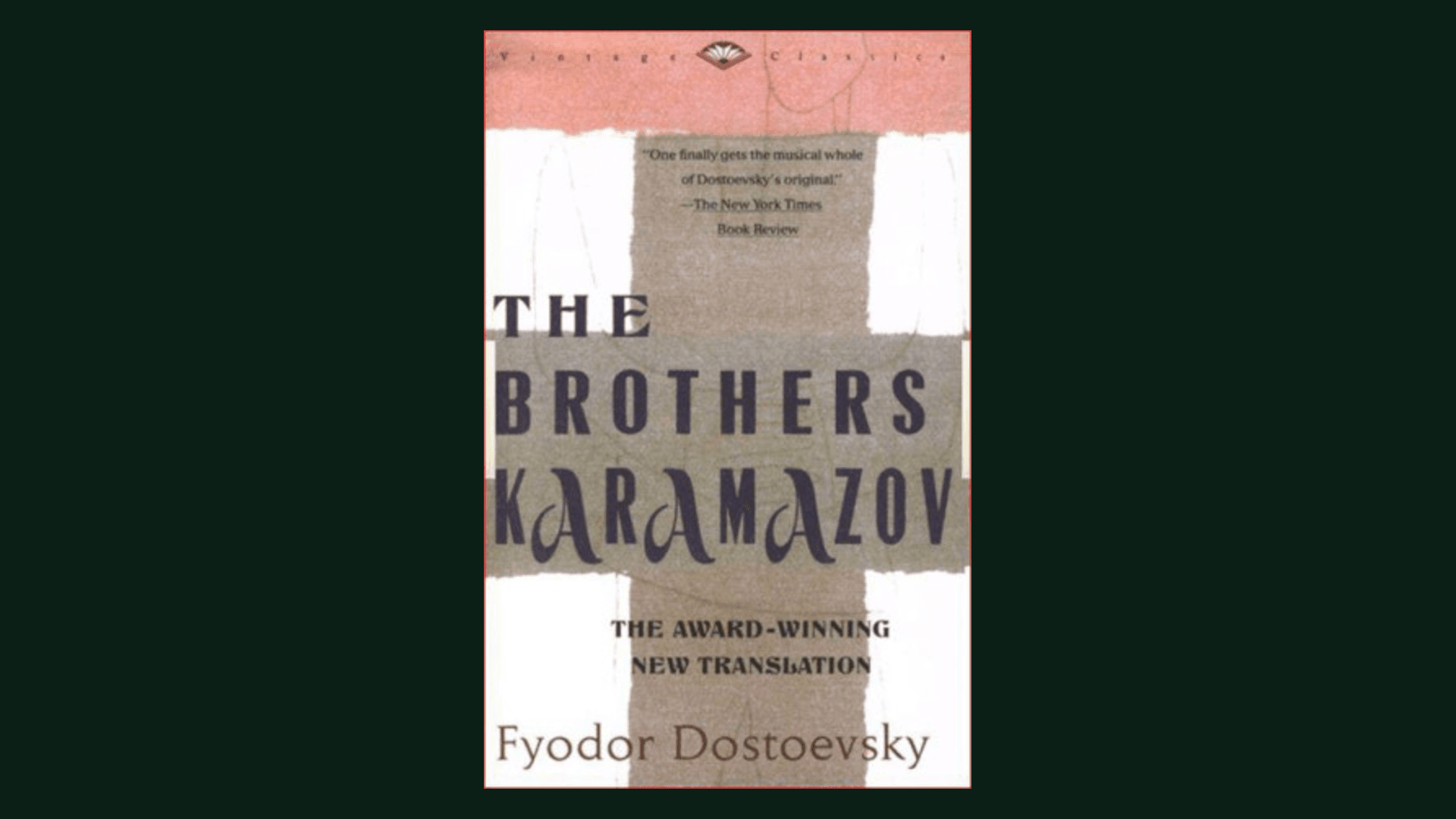
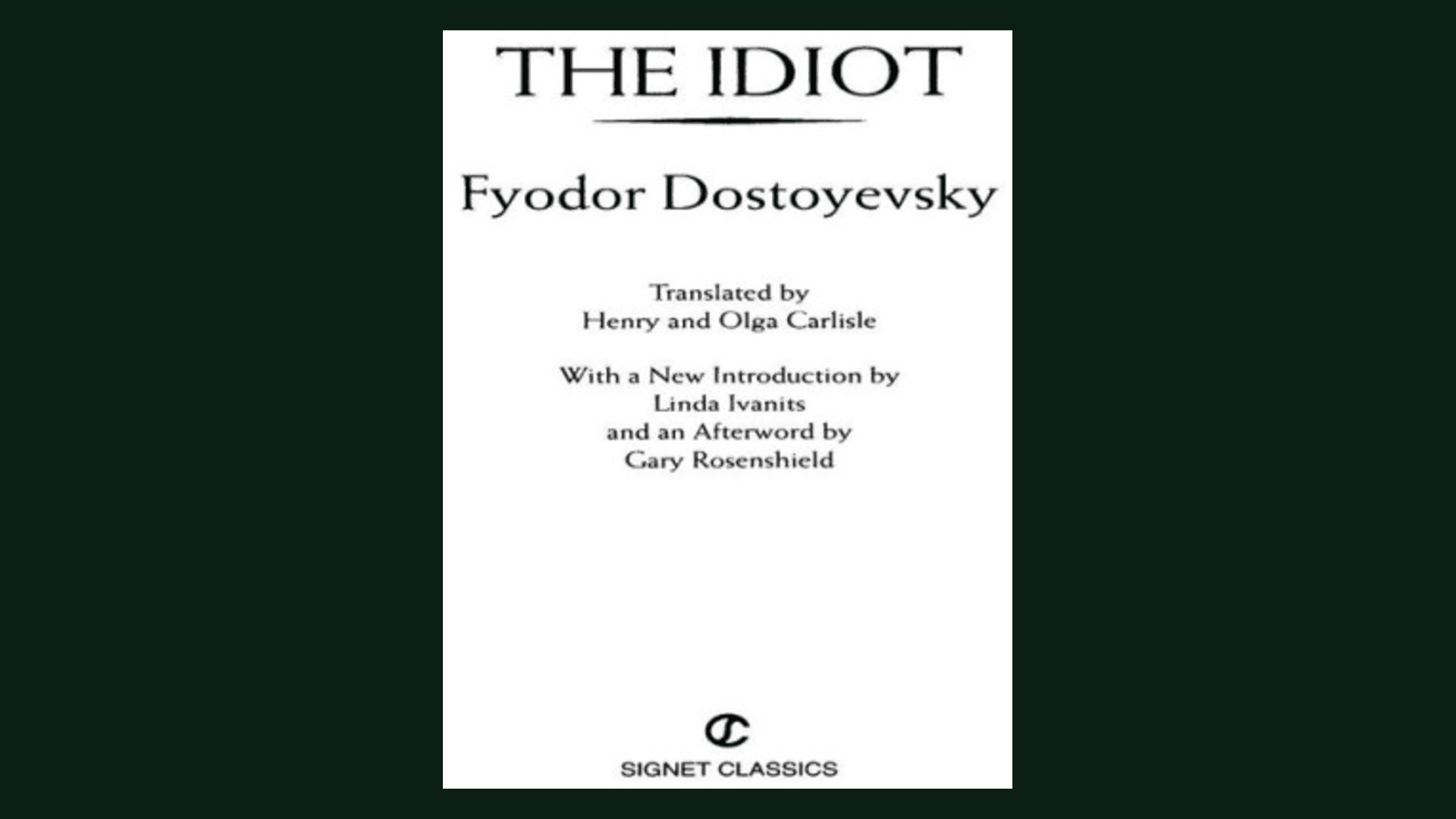
Translation is interpretation. Constance Garnett smooths the prose for lyrical flow, Richard Pevear and Larissa Volokhonsky preserve Dostoevsky’s jagged syntax, and Michael R. Katz strikes a contemporary balance. Sample two pages from each if possible, then let Readever’s translation comparison notes highlight where tone or word choice diverges—especially in charged scenes from The Brothers Karamazov or The Idiot.
Enter 19th-Century Russia’s Intellectual Crossfire
Dostoevsky writes as a survivor of Siberian exile and as an eyewitness to radicals who believed reason alone could perfect humanity. Knowing that background—mock execution, years in a prison camp, epileptic seizures, and the rise of nihilist cells—sharpens every scene. Readever threads concise historical briefings into your reading queue and resurfaces them when Demons or the “Grand Inquisitor” parable in The Brothers Karamazov tackle those ideas head-on.
Dostoevsky FAQ for 2025
How long will it take to read my first Dostoevsky novel?
Most readers finish Crime and Punishment in 3–4 weeks at 45 minutes per day. Readever tracks daily progress, nudges you when plot tension spikes, and suggests reflection questions so you never lose momentum.
Do I need to read Dostoevsky in publication order?
No. Pick the path that matches your curiosity. Many readers begin with White Nights, then leap to Notes from Underground before committing to The Brothers Karamazov.
What if I struggle with the philosophical sections?
Toggle Readever’s “Explain It Like I’m New to Russian Thought” mode. It breaks complex passages into plain-language summaries, surfaces parallel debates (e.g., utilitarianism versus Orthodoxy), and links to supporting scenes across The Idiot and Demons.
How does Readever handle Dostoevsky’s dense cast lists?
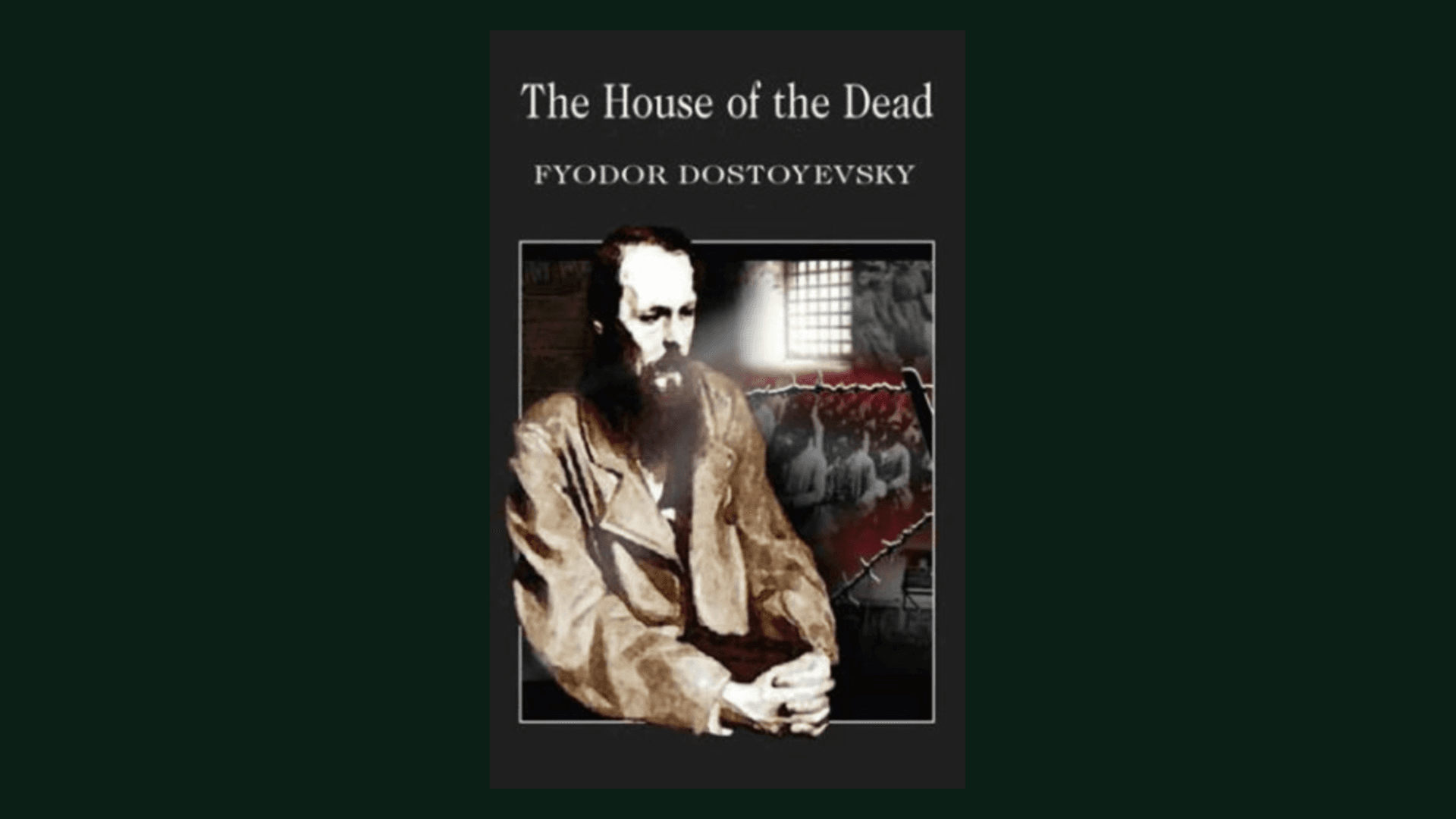
The app auto-builds dramatis personae cards with pronunciation, social status, and relationship notes. When you encounter a familiar face from The House of the Dead or a new conspirator in Demons, one tap returns the full context.
Can Readever help me compare thematic threads across books?
Yes. Tag themes like “redemptive suffering” or “free will” as you read. Readever then stitches together highlights from Crime and Punishment, Notes from Underground, and The Brothers Karamazov into a living study guide.
Finish Strong: Let Readever Read Beside You
Dostoevsky rewards patience, but you don’t have to do the heavy lifting alone. Readever’s proactive companion keeps track of characters, themes, and your personal insights so each turn of the page feels intentional. Queue up your next milestone—perhaps The Idiot after Crime and Punishment—and let the app scaffold every deep read.
🚀 Build your own Dostoevsky masterclass today
Start your Readever journey – Readever’s AI meets you on the page, remembering every question you ask and every insight you highlight so each Dostoevsky novel feels written just for you.