
🎯 Want a fearless classics starter stack with AI guidance?
Open Hamlet, Macbeth, Pride and Prejudice, The Count of Monte Cristo, The Lord of the Rings, and A Tale of Two Cities on Readever – personalized annotations, pre-reading chats, and synced highlights are included.
In 2025, tackling classic literature no longer has to feel like an academic punishment. With the right mindset, proven techniques, and supportive technology, any reader can move from fear to fluency—and even conquer Shakespeare with confidence.

Why Bother with the Bard? Demystifying the Classics
Classic books often feel distant because they arrive wrapped in antiquated language, unfamiliar cultural cues, and a reputation for difficulty. The goal is not to collect trophies or survive a syllabus; it is to tap timeless insights into human nature and find words for emotions and dilemmas that still shape modern life. When you approach the canon as a partner rather than a chore, every page becomes an invitation to connect across centuries.
Part I: The Strategic Reader's Toolkit
Phase 1: Before You Read a Single Word
Choose your adventure, not your chore. Begin with titles that match your taste—romance fans can dive into Pride and Prejudice, thrill-seekers can grab The Count of Monte Cristo, and fantasy lovers can revisit the mythic stakes of The Lord of the Rings. Build momentum with approachable twentieth-century works before marching backward in time.
Build your time machine. Spend a few minutes on historical context: the author’s life, the publishing format, and the cultural anxieties of the era. Knowing that Dickens serialized A Tale of Two Cities or that Tolkien shaped Middle-earth after the trenches of World War I transforms bewildering details into meaningful signals.
Spoil the plot, free your mind. Reading a summary and reviewing the dramatis personae before you begin liberates you to focus on voice, structure, and symbolism rather than scrambling to track who’s who.
Phase 2: During the Journey
Annotate like you mean it. Swap passive highlighting for marginal questions, quick paraphrases, and reaction notes. Every scribble is a conversation with the author.
Chunk the challenge. Break dense passages into bite-sized segments and pause to ensure comprehension before advancing.
Embrace the language. Infer vocabulary from context, batch unfamiliar words for later lookup, and read knotty sentences aloud to unlock rhythm and meaning.
Set a purpose and keep asking. Turn section headings into guiding questions and push each paragraph to answer “What does it say?” and “What does it do?”
Phase 3: After the Final Page
Reflect and retell. Summaries, creative epilogues, or scene storyboards cement comprehension by forcing you to reframe the material.
Find your community. Book clubs, discussion threads, or even a single reading partner provide accountability, motivation, and fresh interpretations that make the text stick.

Part II: From Fear to Fluency with Shakespeare
Shakespeare wrote scripts meant to explode into life on stage, not quiet novels to be skimmed. Be the mental director: stage every scene, hear every line spoken, and imagine the set, costumes, and gestures. When you want a full syllabus, pair this toolkit with the dedicated roadmap in Your Shakespeare Starter Pack for 2025.
Understand the Core Challenge
Scripts are blueprints. The action and emotion live between the lines. Hearing professionals perform a scene clarifies tone, pacing, and intent, whether you start with Hamlet or Macbeth.
Decode the Language
- Invest in annotated editions that explain archaic words and cultural references.
- Use side-by-side modern translations as scaffolding, not substitutes.
- Master the trio of language hurdles: inverted syntax, shifting meanings, and Elizabethan contractions.

🎯 Need a guided Shakespeare warm-up?
Launch Hamlet and Macbeth with Readever’s pre-reading coach – get context briefings, tone cues, and scene-by-scene check-ins.
Feel the Rhythm
Iambic pentameter mirrors natural speech and the human heartbeat. Tap the beat, notice where Shakespeare breaks the pattern, and let punctuation—not line endings—guide your voice. Watch for verse-to-prose shifts that signal emotional upheaval or social slippage.
Think Like an Elizabethan Playgoer
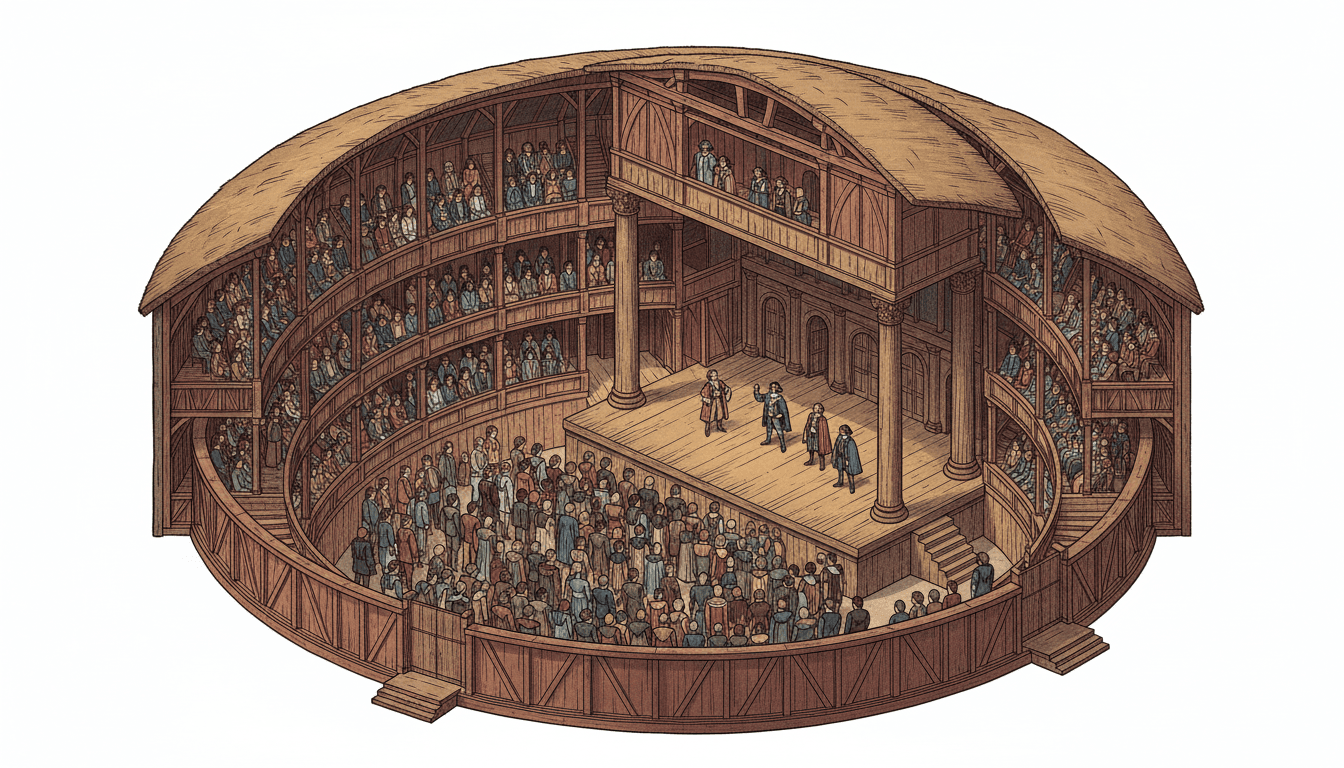
Soliloquies and asides invite you into the character’s inner world. Sparse sets demand imaginative co-creation. Remember the Globe’s lively, vocal audience and let that energy animate your reading.
Part III: Build Your Modern Classics Toolkit
Digital Companions
Leverage public-domain libraries for free texts, pair difficult passages with reputable translations, and browse accessible criticism through library databases. Readever’s AI assistant can layer annotations, vocabulary cards, and memory prompts on top of each chapter.
Film as a Co-Pilot
Use adaptations to visualize staging, hear the language, and compare interpretive choices—but treat them as complements to the text, not replacements. Track how directors reshape scenes to spotlight theme, pacing, or character.
Join the Conversation
Online book clubs, real-time watch parties, and asynchronous forums provide structure, camaraderie, and perspective shifts that deepen understanding—especially when you re-tell the plot or debate a character arc out loud.
🎯 Ready to stay accountable through your next classic?
Save your reading queue in Readever and let the AI companion nudge you forward.
The Final Word
Reading the classics is a skill, not a genetic gift. Choose the right entry point, apply active strategies, and rely on modern tools. With curiosity and consistency, the canon transforms from intimidating monument to personal mentor. When you are ready to focus on specific authors, dive into Navigating the Morrison Canon and Where to Start with Octavia Butler in 2025 for step-by-step reading pathways.