The best next book is not the book everyone else is reading. It is the book that fits what you want now, the attention you can give it, and the kind of reading experience you are ready to sustain.
Readever’s production homepage on August 18, 2026 includes a “Find your Next Book” prompt based on personal interests and browsable themes such as fiction, history, philosophy, psychology, and futurology. This guide uses that verified discovery surface without promising social book-club features, collaborative reading, PDF support, or unverified recommendation data.
Start with the job the book should do
Complete this sentence: “I want my next book to help me ___.”
Common answers include:
- understand a subject for the first time;
- solve a practical problem;
- challenge an opinion;
- prepare for a course or project;
- recover the pleasure of reading;
- enter a story and spend time with characters;
- discuss a shared theme with other readers.
A clear job narrows the choice faster than a long list of genres. “A psychology book” is broad. “An accessible psychology book that helps me understand habits” is usable.
Add four filters
1. Mood
Do you want to be absorbed, instructed, surprised, comforted, or challenged? Mood is not superficial; it predicts whether the book matches the experience you are seeking.
2. Difficulty
Choose the level of friction you can support now. A demanding classic may be rewarding when you have time to pause and look up context. A short, direct book may be better during a crowded week. Difficulty is not a measure of worth.
3. Commitment
Decide how many sessions you can realistically give the book. Use a small commitment such as twenty minutes on three evenings rather than an abstract promise to “read more.”
4. Evidence of fit
Read the book description, table of contents when available, opening pages, and a few independent reviews. Look for agreement about audience, scope, and style. Avoid choosing only from a viral quote or a plot reveal.
Use a three-book shortlist
Ask for or create three candidates with different strengths:
- The direct fit: closely matches your stated goal.
- The adjacent fit: approaches the goal from a different field or genre.
- The curiosity pick: you cannot fully justify it, but you want to open it.
A shortlist preserves choice without producing decision paralysis. Readever’s public homepage lets readers describe what they would like to read and browse themes. Treat the resulting ideas as candidates, not authoritative rankings.
Test before committing
Give each candidate a ten-minute test:
- read the description and opening;
- identify what question the book seems to answer;
- notice the prose density and assumed background;
- ask whether you want to continue after the sample;
- record one reason to read it now and one reason to defer it.
Choose the book with the strongest present fit, not the highest status. A book can be excellent and still be wrong for this month.
If you want practical change
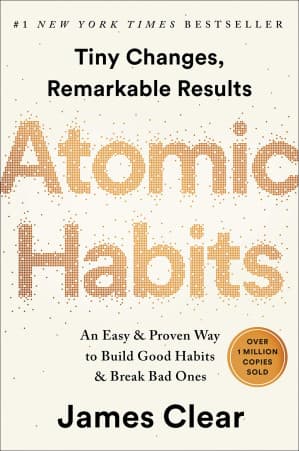
Choose a book with a clear problem, a credible authorial basis, and examples you can evaluate. Before reading, define one decision or experiment the book may inform. Atomic Habits, for example, is presented in Readever’s live catalog with a reading companion and a focus on small behavior-change experiments.
Use the book notes template to separate the author’s claim, your response, and a next action. Do not turn every chapter into a task list.
If you want a difficult classic
Choose a text whose central question matters to you. Check the translation or edition, then plan shorter sessions with time for context. Readever’s AI Reading Assistant publicly describes contextual explanations for unfamiliar terms, historical references, metaphors, and cultural allusions. Use that assistance to return to the text—not to replace it.
Meditations works well for a question-led reading path because its passages can be approached as individual exercises. A goal such as “How does the text distinguish judgments from events?” is more useful than “finish a classic.”
If you want to restart a reading habit
Choose for momentum:
- a subject you already care about;
- a book with a clear structure;
- a length that fits several short sessions;
- an opening that creates immediate curiosity;
- permission to stop if the fit remains poor after a fair test.
Abandoning a mismatched book is not failure. It is a decision to protect attention for a better match.
If you are choosing for a group
Use a transparent human process. Ask every participant for constraints: availability, content sensitivities, preferred length, access, and the kind of discussion they want. Shortlist books everyone can legally obtain, share sample material, and vote with the criteria visible.
Readever is not presented here as a book-club collaboration platform. Its verified public product surface supports discovery and individual AI-assisted reading. Organize group logistics in tools whose sharing and privacy behavior you have confirmed.
A copyable choice card
My reading goal:
The experience I want:
Difficulty I can support:
Time I can commit:
Three candidates:
1.
2.
3.
Evidence each one fits:
My ten-minute test result:
Chosen book:
Reason this book is right now:
Stop/reconsider date:
Make the choice resilient to a busy week
A good recommendation can still fail if it assumes an ideal schedule. Before choosing, decide what the minimum viable reading session looks like. It might be ten pages, one scene, or fifteen minutes with no completion target. Then prefer a book whose structure works with that rhythm. Short chapters, a clear narrative thread, or an accessible edition can matter more than prestige when attention is limited.
Also name an exit rule before you begin. After two or three sessions, ask whether the book is delivering the experience or answer you wanted. If not, identify whether the mismatch is timing, difficulty, style, or subject. You can defer the book without judging it as bad. Recording the reason improves your next choice because it turns abandonment into preference evidence rather than guilt.
Finally, keep a small “later” list instead of a giant backlog. Save only a few candidates and note the situation in which each would fit: a vacation novel, an introductory history, a demanding classic for a quiet month, or a practical book for a current project. The next time you ask what to read, you will be choosing from contextual options rather than starting from an endless catalog.
Use a two-session comparison when the shortlist is still tied
Sometimes two candidates survive every filter. Instead of choosing by reputation, give each book one short session under the same conditions. Use the same duration, location, and reading goal so the comparison measures the books rather than two different moods.
During the first session, capture five observations:
- Entry cost: How much context did you need before the text became meaningful?
- Forward pull: Did the next page feel necessary, interesting, or merely obligatory?
- Question quality: Did the book generate specific questions you wanted to pursue?
- Attention fit: Could you follow the prose with the time and energy you actually have?
- Use after reading: Can you name a discussion, decision, skill, or experience the book may support?
Do not score the books as if one must be universally better. Write one sentence about the situation in which each candidate would be the better choice. A demanding history may be right for a quiet month; a narrative work may be right for restoring momentum now. The purpose is to choose for the present while preserving the other option for a better context.
After the second session, close both books and recall what remained without looking. Which book left you with a clearer question, image, argument, or desire to return? Recall is not a complete quality measure, but it reveals whether the early reading experience formed a usable mental thread. Choose the book whose thread matches your goal and available attention.
Then make the choice concrete. Schedule the next two sessions, record a stop-or-reconsider date, and remove the other candidate from the immediate queue. A decision becomes easier to sustain when it includes both a next action and permission to revisit the choice. If the selected book repeatedly fails the same fit test, switch deliberately rather than continuing from sunk-cost guilt.
Frequently asked questions
How many books should I compare?
Three is usually enough to create meaningful choice without overwhelming yourself. Add more only when a concrete constraint is still unmet.
Should I finish every book I start?
No. Decide a fair trial period and stop when the book does not serve your goal or sustain interest. Record why so the next choice improves.
Can AI choose my next book for me?
AI can generate candidates from your stated interests. You should verify the title, author, availability, and fit, then make the final choice yourself.
Does this guide promise book-club features?
No. It covers individual discovery and a human-run group selection process. It makes no claim about shared annotations, team workspaces, or synchronized book-club discussion inside Readever.
Find a book that fits now
Describe the subject, mood, and difficulty you want. Build a shortlist, test the openings, and choose the book you are most likely to read with attention.